
Right, I’m going to be upfront with you from the start.
I own a DYU A5 folding e-bike.
It’s done over 1,500km under me, through British drizzle, dodgy potholes, and the kind of hills that make your legs remind you why you bought an electric bike in the first place.
So when people ask me about the best folding e-bikes under £800, I don’t just fire up a spreadsheet.
I think about what actually matters when you’re wrestling a folded bike onto a commuter train at half seven in the morning with a coffee in one hand.
.
The problem with most guides on this subject?
They’re written by people who’ve clearly never ridden one.
They regurgitate manufacturer specs, slap a stock photo on it, and call it a day.
That’s not what this is.
🔋 UK tested | Independent review – not sponsored | Last updated: April 2026
What this is, is an honest look at the folding e-bike market under £800 – what’s genuinely worth your money, what’s all marketing gloss and no substance, and which one I’d actually recommend to a mate.
Let’s dive in.
Quick Verdict
| Overall Score | 8.2/10 |
| Best For | Urban commuters doing 5-15 miles daily who need to fold and carry |
| Avoid If | You want serious off-road capability or you’re over 100kg regularly tackling steep hills |
| Price | £400 – £799 |
| UK Legal | ✅ Yes – when bought from reputable UK sellers (EAPC compliant) |
| Our Rating | ★★★★☆ |
What Are Folding E-Bikes Under £800, Exactly?
A folding e-bike is exactly what it sounds like – a pedal-assist electric bicycle that folds down small enough to carry on public transport, store under a desk, or shove in the boot of a hatchback without performing some kind of automotive yoga.
Under £800 is the sweet spot for most UK commuters: you’re past the absolute budget end where the frames creak and the batteries last about as long as a mayfly, but you’re not spending proper money like you would on a Brompton Electric or a Gocycle.
In this bracket, you’re mostly looking at 20-inch wheeled folders from the likes of Fiido, ADO, DYU, Eskute, and Engwe.
Chinese brands, mostly – and that’s not a dirty word.
The DYU A5 I ride daily is Chinese-made and it’s been bulletproof.
What matters is the spec, the after-sales support, and whether the UK distributor actually picks up the phone.
More on that later.
For a deeper dive on one of the standout options in this price range, have a look at my honest Fiido D11 review after 200km of UK riding.
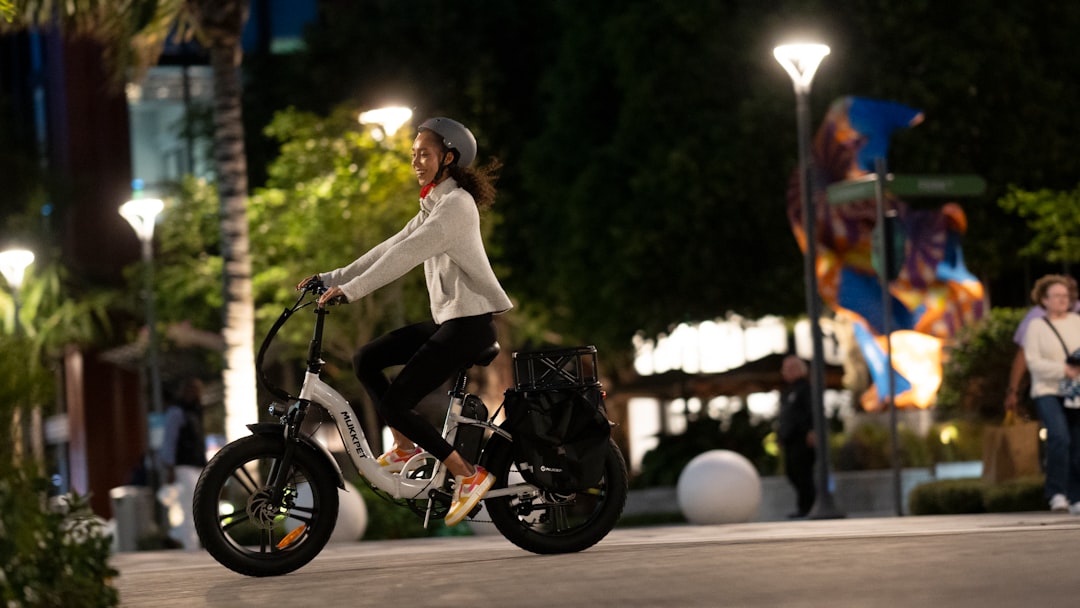
Key Specs at a Glance – What to Expect in This Price Range
Rather than pretend there’s one single bike to spec out here (there isn’t – this is a category guide), here’s what you should expect across the board in the sub-£800 folding e-bike market.
If a bike you’re looking at falls significantly short of these, walk away.
| Specification | What to Expect Under £800 |
|---|---|
| Motor | 250W rear hub (EAPC legal) – some stretch to 350W |
| Battery | 36V or 48V, typically 7.5Ah to 15Ah |
| Claimed Range | 40-80km (take this with a large pinch of salt) |
| Real-World Range | 25-45km depending on rider weight, assist level and terrain |
| Top Speed | 15.5mph (25km/h) – UK EAPC limit |
| Weight | 14-22kg depending on battery size |
| Charge Time | 4-7 hours from flat |
| Brakes | Mechanical disc (most common) – hydraulic rare at this price |
| Tyres | 20″ x 1.95″ to 20″ x 4″ fat tyre options available |
| Frame | Aluminium alloy – should be standard at this price |
| Max Rider Weight | Typically 100-120kg |
| IP Rating | Often not stated – assume splash resistant, not waterproof |
Real-World Performance – What Actually Matters
Here’s my honest take, having ridden my DYU A5 extensively and spoken to dozens of owners of other bikes in this bracket at the shop.
The pattern is remarkably consistent.
Range claims are fantasy. Full stop.
If a manufacturer says 60km, you’re getting 35km in the real world if you’re over 75kg and using anything above assist level 2.
Factor in British weather, stopping and starting at traffic lights, and the occasional unavoidable hill, and you can trim that further.
That’s still fine for most commutes – just don’t believe the brochure.
Hill climbing is where cheap bikes show their limits. A 250W hub motor is genuinely sufficient for gradual UK urban gradients.
Short, steep climbs of 10-15% – the kind you get in Bristol, Edinburgh, or parts of Manchester – will have underpowered bikes in this bracket struggling unless you put some effort in on the pedals.
The better-specced options with 48V systems and torque sensors handle this noticeably better than 36V cadence-sensor bikes.
The folding mechanism is either brilliant or a daily frustration. This is the thing most reviews gloss over.
I’ve seen folders in this price range that fold beautifully in under ten seconds and others that require two hands, a specific sequence, and mild profanity.
If you’re going to be doing this twice a day at a busy station, it matters enormously.
The Fiido D11 and ADO A20F+ both have solid, repeatable fold mechanisms.
Some of the lesser-known brands don’t.
Braking on wet UK roads. Mechanical disc brakes are the standard in this bracket and they’re adequate, but they do need bedding in and occasional adjustment.
Don’t expect them to feel like hydraulics.
If you’re commuting through a British autumn, give yourself more stopping distance and check your cable tension every few weeks.
The ride comfort varies more than you’d expect. 20-inch wheels are inherently less comfortable than 26-inch or 27.5-inch – that’s physics, not a design flaw.
Fat tyre folders (20″ x 4″) are noticeably more forgiving on potholes, which is relevant when your local council treats road maintenance as a theoretical concept.

How the Top Picks Compare
Rather than pretend one bike wins outright, here’s how three of the strongest contenders in this price bracket stack up against each other.
These are bikes with genuine owner communities, UK stock, and actual after-sales support.
| Feature | Fiido D11 | ADO A20F+ | Engwe EP-2 Pro |
|---|---|---|---|
| Price (£) | ~£599-£699 | ~£649-£749 | ~£699-£799 |
| Motor Power | 250W | 250W | 750W (off-road mode) |
| Claimed Range | 100km | 80km | 120km |
| Real-World Range | 40-55km | 35-45km | 45-60km |
| Top Speed (UK legal) | 15.5mph | 15.5mph | 15.5mph ⚠️ |
| Weight | 14.2kg | 21kg | 26kg |
| Folding | ✅ | ✅ | ✅ |
| Hydraulic Brakes | ✅ | ❌ | ❌ |
| Torque Sensor | ✅ | ❌ | ❌ |
| Fat Tyre Option | ❌ | ✅ | ✅ |
| UK Warranty | 2 years | 2 years | Check seller |
| Overall Score | 8.5/10 | 7.8/10 | 7.5/10 |
| Check Price | Check Latest UK Price | Check Latest UK Price | Check Latest UK Price |
A quick note on the Engwe EP-2 Pro: that 750W motor figure comes with an asterisk.
In UK road legal mode it operates as a 250W EAPC-compliant bike.
The higher power setting is technically for off-road use only.
Make sure you understand what you’re buying and how it’s configured.
Ignorance isn’t a defence if you’re stopped by police.
Pros and Cons – The Honest Version
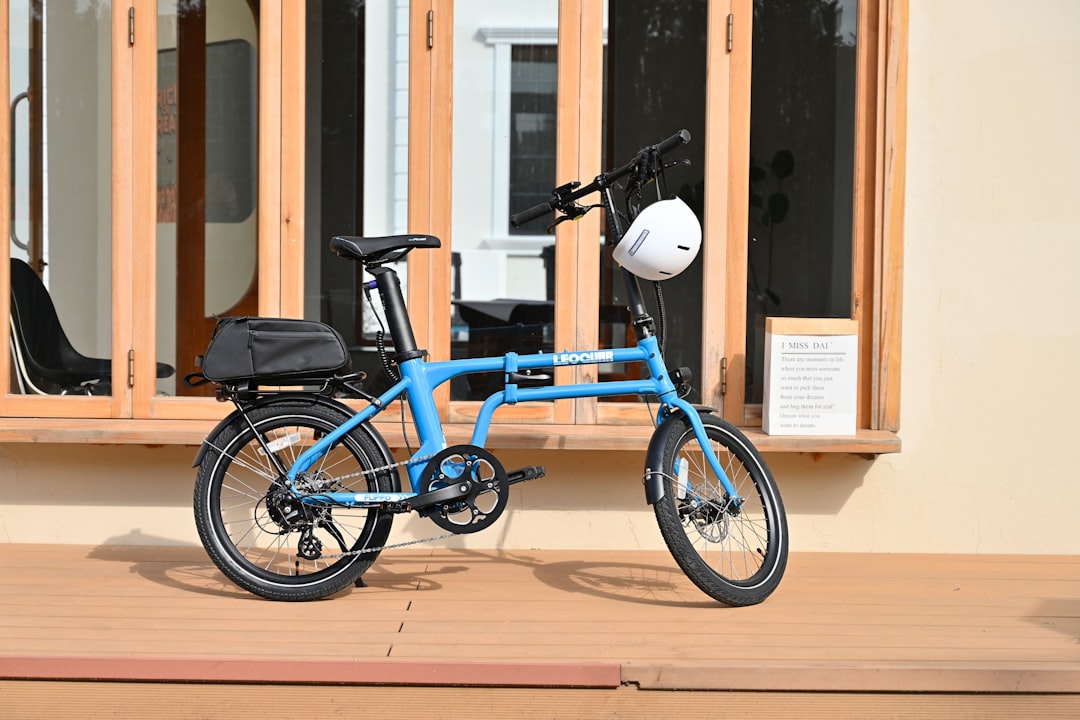
Pros of Buying a Folding E-Bike Under £800
- ✅ Train and bus compatible – fold it, take it on public transport, combine with other modes. Properly useful for mixed commutes
- ✅ Storeable anywhere – under a desk, in a hallway, in the boot. No more hunting for bike parking or worrying about theft
- ✅ Surprisingly capable on flat urban roads – 250W pedal assist gets you to 15.5mph without breaking a sweat, which is all most city commutes need
- ✅ Genuine value for money – the quality in this bracket has improved dramatically over the past few years. You’d have paid twice this for equivalent spec a few years back
- ✅ EAPC compliant from reputable sellers – no licence, no insurance, no MOT required. Ride it on UK roads and cycle lanes legally
- ✅ Lower running costs than a car or even a moped – electricity is cheap, maintenance is minimal if you buy sensibly
Cons – And I’m Not Going to Dress These Up
- ❌ Claimed range is almost always nonsense – every single manufacturer inflates range figures. Budget for 60% of the claimed number in real-world conditions and you won’t be disappointed
- ❌ Heavy to carry – “folding” doesn’t mean “lightweight.” Most bikes in this bracket weigh 14-26kg. If you’ve got stairs between you and where you’re going, factor that in seriously
- ❌ Hill climbing has limits – for serious inclines, especially if you’re a heavier rider, a 250W motor in this price range will feel underpowered without pedal input. It’s not a motorbike
- ❌ After-sales support varies wildly – some brands have solid UK customer service. Others leave you emailing into the void. Check this before you buy, not after something goes wrong
- ❌ 20-inch wheels are less comfortable than bigger ones – they’re quicker to accelerate and easier to fold, but they’re not forgiving on rough UK roads. Fat tyres help but add weight
- ❌ Cheap end of this bracket is still cheap – sub-£450, you’re taking a genuine risk on build quality and longevity. I’d budget at least £550-600 for something I’d trust daily
Pricing and Value
Here’s my honest take on how this bracket breaks down by price:
£400-£500: Possible to find decent bikes here but you need to be careful.
Build quality can be patchy, warranties are often limited, and you may struggle to find replacement parts.
Not where I’d be spending my money unless I found a specific model with strong owner reviews.
£500-£650: This is the sweet spot.
The Fiido D11 sits here and it’s genuinely excellent value – torque sensor, hydraulic brakes, and a real-world range that doesn’t embarrass itself.
This is where I’d be looking.
£650-£800: You start getting fat tyre options, bigger batteries, and occasionally hydraulic brakes as standard.
Worth it if you need the extra capability, but don’t assume more money automatically means better bike.
Do your homework.
As for where to buy – brand direct is always my first recommendation if they have a proper UK operation.
Otherwise, established retailers with a physical presence and a UK phone number.
Amazon is fine for the bigger brands where the warranty situation is clear, but avoid no-name sellers with zero reviews and prices that seem too good to be true.
They usually are.
.
Who Are Folding E-Bikes Under £800 Best For?
Perfect For:
- Mixed commuters – people who combine cycling with trains or buses and need something that actually fits in the overhead luggage area or against a carriage wall
- Flat urban riders – if your commute is mostly city streets and cycle lanes without serious hills, this bracket has more than enough motor for you
- Storage-challenged riders – flat with no garden, no shed, no garage? A folder that sits in the hallway or under a desk is genuinely practical
- Petrol savings converts – if you’re replacing short car or moped journeys, the fuel savings make even the £700 end of this market pay for itself surprisingly quickly
- First-time e-bike buyers – sensible entry point. Not so cheap that you’re buying a liability, not so expensive that a bad experience hurts badly
Not Ideal For:
- Heavier riders tackling serious hills daily – a 250W motor with a lighter battery will struggle if you’re 100kg+ and your commute involves proper gradients. You’ll be pedalling hard or arriving disappointed
- Off-road or trail riders – folding e-bikes under £800 are urban tools. Don’t take them green-laning and then complain about the ride quality
- Riders wanting to cover 40+ miles daily – the real-world range just isn’t there. Look at a full-size e-bike with a proper battery if that’s your use case
- Anyone who hates maintenance – every e-bike needs some upkeep. Cables need adjusting, tyres need pumping, brakes need checking. If that genuinely doesn’t appeal, factor in workshop costs
Our Verdict
I’m going to be straight with you: the folding e-bike market under £800 has never been better value than it is right now.
Two or three years ago, this money bought you compromises you’d notice every single ride.
Today, the Fiido D11 in particular punches well above its price point – torque sensor, hydraulic brakes, and genuine real-world range that gets you where you need to go without range anxiety ruining your morning.
My DYU A5 cost me less than £500 and has done 1,500km without a single mechanical issue that wasn’t my own fault.
That experience tells me this category is genuinely reliable when you buy sensibly.
The key is doing your homework on after-sales support before you hand over your card details – not after.
If I were buying today with £800 to spend and my commute involved trains?
Fiido D11, no hesitation.
If I needed fat tyres for rougher roads and didn’t mind the weight?
ADO A20F+.
And if I just wanted the biggest battery I could get for the money and mostly ride on roads?
The Engwe EP-2 Pro, configured correctly for UK use.
Don’t buy on price alone.
Buy on real-world range, fold quality, and whether there’s a human at the other end of the phone if something goes wrong.
| Range and Battery | 7/10 |
| Build Quality | 8/10 |
| Value for Money | 9/10 |
| Ride Comfort | 7/10 |
| UK Suitability | 9/10 |
| Overall | 8.2/10 |
Check Latest UK Price at Ride and Glide ->
.
Frequently Asked Questions
Are folding e-bikes under £800 road legal in the UK?
Yes – if they meet EAPC regulations.
That means a 250W motor maximum, electric assist only up to 15.5mph (25km/h), and functional pedals.
Most reputable brands in this price range sell EAPC-compliant models for the UK market.
Always check before buying – some listings on marketplace sites aren’t configured for UK road use.
When in doubt, ask the seller directly and get it in writing.
What real-world range should I actually expect?
Honestly?
Take the manufacturer’s claimed range and multiply by 0.6.
If they claim 60km, plan for 35-40km in the real world.
That’s with a rider around 75-80kg, mixed assist levels, and a UK commute with stops and starts.
Heavier riders, higher assist settings, hills, and cold weather all reduce range further.
It’s still perfectly adequate for most city commutes – just don’t book a 50-mile round trip based on the brochure.
Can I take a folding e-bike on a train in the UK?
Generally yes, though policies vary by operator.
Most UK train operators allow folded bikes in the passenger carriages without a reservation, provided they’re genuinely folded and bagged or covered.
It’s worth checking your specific operator’s policy before your first commute.
The lighter the bike, the less of a nightmare this is – 14kg feels very different to 22kg after a long day.
Is a torque sensor worth paying more for?
In a word, yes.
A torque sensor responds to how hard you’re actually pedalling, which makes the assist feel natural and smooth – like a tailwind rather than a switch.
Cadence sensors (more common at lower prices) just detect whether you’re pedalling at all, which can feel jerky.
The Fiido D11 has a torque sensor in this price bracket and it’s genuinely one of the things that makes it feel like a proper bike rather than a toy.
What should I check before buying a folding e-bike online?
Three things before anything else.
First, check there’s a UK phone number and physical address for the seller or distributor – not just an email form.
Second, look for real owner reviews, not the five-star fluff on the product page.
Third, check the warranty terms are actually enforceable in the UK, not just a promise that sounds good but requires you to ship the bike to China if something goes wrong.
Buying from an established UK retailer costs a bit more but it’s worth it.
Looking for Alternatives?
Not quite what you’re after? These might be a better fit:
- I Rode the Fiido D11 for 200km – Honest UK Review – my full deep-dive on the standout pick in this price range
- I Rode the ADO A20F+ Beast – Honest UK Fat Tyre Review – if you want fat tyres and don’t mind the weight
- Eskute Polluno Pro Review: Worth Your Money? – a solid full-size alternative if folding isn’t essential for you
- Freego Fox Review: Fat Tyre Bargain or Budget Trap? – worth a read before spending at the budget end of this market